
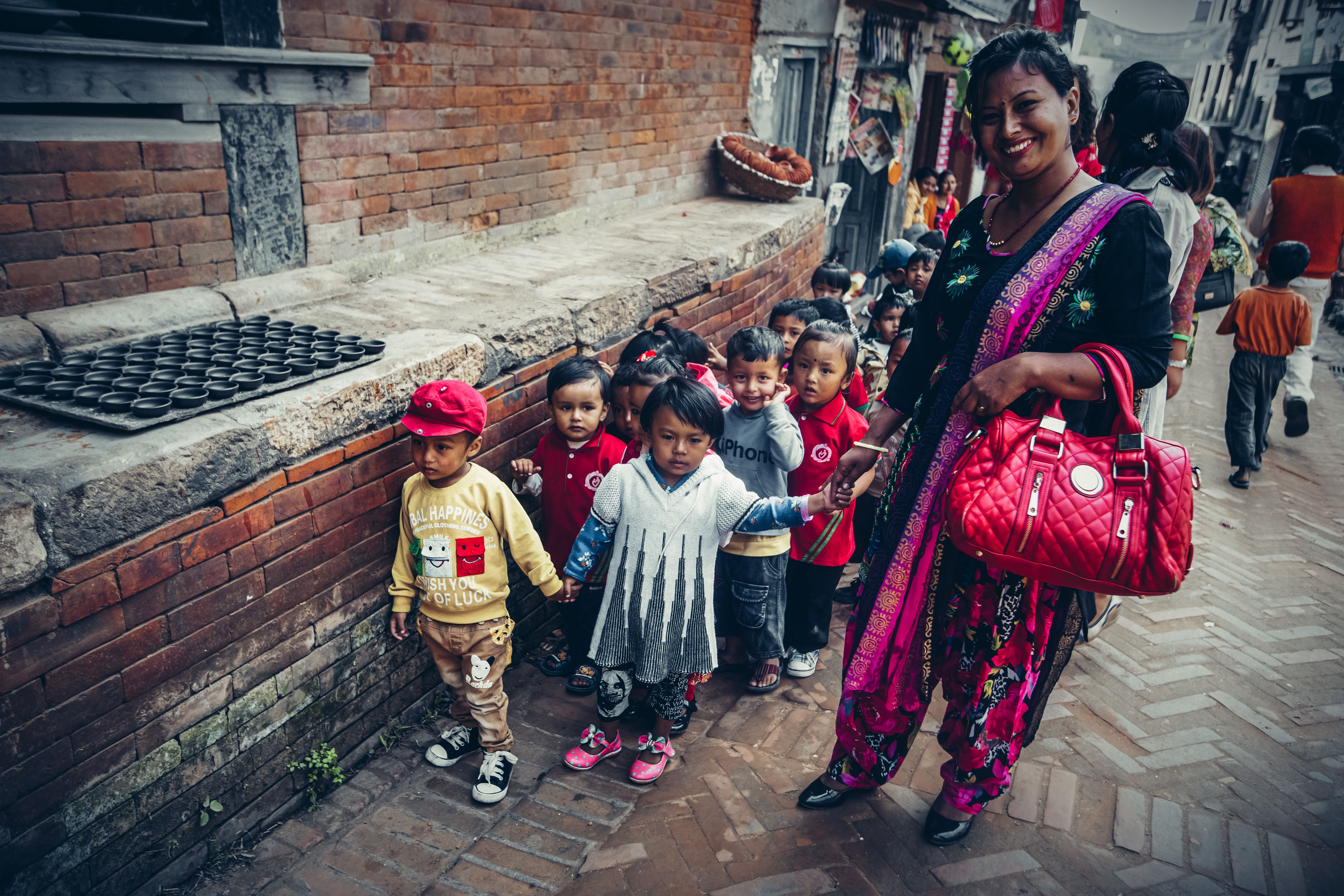
While Juggling Careers and Crayons
I keep seeing the same story take shape, and the monster seems to be getting bigger; it breaks my heart every single time. As I sit to write this today, there is a surge of emotions that I am dealing with, and a lot of it is the feeling of numbness.
Through it all, the one question that remains unanswered is why we are trying to point fingers rather than spending that time solving or equipping our societies and workspaces with better facilities and policies?
A childcare tragedy where young children were hurt in a place that was meant to keep them safe. Someone tries to speak up, and almost immediately, the questions turn toward the mothers: Why was she working? Didn’t she know the risks? Shouldn’t she have stayed home? The train of questions never seems to end.
It happened again recently where reports from Bengaluru described children being mistreated at a workplace daycare. A woman connected to the centre who tried to bring the abuse out into the open-faced serious backlash. Instead of focusing entirely on protecting the children and fixing what failed them, many voices quickly shifted to judging working mothers.
As someone who works every day with women navigating safety, guilt, and impossible choices, this pattern frustrates me deeply. It feels like we’re punishing the very people who are already carrying so much.
Let’s Be Honest About These Misconceptions
I’ve heard it too many times: A good mother stays home. As if wanting to work, needing to work, or finding purpose in a career suddenly makes someone a bad parent. The truth is, most of us don’t have the luxury of simple choices.
We work because our families depend on us. We work because it gives us dignity, independence, and hope for a better future for our children.
Blaming mothers when things go wrong doesn’t protect children it just adds another layer of shame. It makes women hesitate today speak up when they see something concerning.
It distracts us from asking the real questions: How did this happen in the first place? What systems failed these little ones? And why do those who try to protect them often end up paying such a heavy price?