
Reevaluating Jyothirao and Savitribai Phule's Legacy
Yesterday, an old friend made a remark that remained in my thoughts far longer than I had expected. With a small laugh, she said, I don’t really get the outrage anymore. Don’t we all have equal rights, equal opportunities? Why this unnecessary rage? She wasn’t wrong. She wasn’t unkind. She was simply certain.
Her words shadowed me all day. They repeated themselves while I cooked, scrolled, and worked.
I realized that comfort can quietly convince us that our reality is universal, especially when online echoes fill our minds. Yet, it's vital to ask, comfort for whom, and at whose expense?
When we are trapped in echo chambers built to reinforce our beliefs, seeing the truth becomes a challenge. This comfort often guards the privilege of a few, making it even harder to address the inequalities that persist underneath the surface.
For an Indian urban woman, respect and value are visible, yet a thin, nearly invisible glass ceiling still hovers overhead. You catch momentary glimpses of it within the four walls of a home. Her opinions become debates. Her choices require justification. Sometimes, agreeing feels simpler than standing firm.
Sometimes, silence masquerades as peace. With education and work within reach, it is tempting to believe equality is already here. Jobs are available. Women are present everywhere. It almost feels as if the struggle is a thing of the past. However every time I step back, the picture changes.
Patriarchy has not disappeared; it has softened its voice. It asks questions instead of giving orders: ‘How will you manage work after marriage?’ or ‘Who will look after the house?’ I have heard these questions in my own family.
They are usually asked with concern, not malice. Yet, beneath the guise of sincere concern lies a subtle form of gatekeeping, a mechanism that upholds traditional power structures. This 'concern' can shape decisions that might never be openly labelled as unfair, reinforcing communal beliefs and limitations.
My older sister moved to a state board school so our brother could attend an ICSE school. Nobody called it a sacrifice. It was described as practical.
Sensible.
I have seen my mother argue with relatives who felt they were protecting her daughter when they asked, why push her to do a master’s degree? Who will marry her?
Such instances don’t come with shouting. They come with tea, advice, and long silences. Afterwards, there is often quiet crying.
That’s usually when I realize I’ve heard this story before. Maybe not in the same way, but close enough to feel familiar and uncomfortable. It's a quiet echo of mutual hardships; an indication that these are not singular events but part of a larger narrative. This familiarity leads me to think about Jyotirao Phule and Savitribai
Phule, not as distant heroes, but as real people who confronted their own battles. The Phules challenged the societal limitations of their time. Their legacy provides inspiration for resilience amid personal struggles and offers a historical framework to understand and address the silent tears of the present.
Savitribai was married young. That was not unusual. What unsettled people was that she learned to read. Jyotirao teaching his wife was not seen as progressive. It was seen as improper. People mocked him openly. They asked whether he planned to live off her earnings.
It sounds strange now, but it doesn’t feel completely unfamiliar.
Even today, we hear similar things. Too educated. Too independent. Hard to settle. The times have changed, but the discomfort remains.
What’s remarkable about the Phules is that they didn’t wait for permission. In 1848, they opened a school for girls at Bhide Wada in Pune. Savitribai taught there, facing the daily hostility of her society, determined to educate girls who were never expected to be in classrooms. She was abused for it. Insulted. People threw dirt at her as she walked. Some accounts say she carried an extra saree because she expected this. The exact details might vary, but the hostility was undoubtedly genuine.
Fatima Sheikh taught alongside her. When the backlash made their work unsafe, teaching continued from Fatma Sheikh’s home. A Hindu woman and a Muslim woman teaching girls in 19th-century Pune. That detail complicates the history we are usually told.
Education, for them, was not charity. It was a refusal.
At iDare, many people discuss pain stemming from early denials. Not dramatic ones. quiry ones. Being discouraged. Being redirected. Being told to adjust. Yes, things are better now. More girls are in school. More women work. That matters.
But education is still negotiated. Work is still conditional; dreams still come with expectations attached. Patriarchy has not vanished. It has learnt to smile.
The Phules understood something that remains uncomfortable even today. Education shifts power. That is why it has always been controlled. Who controls the gates to learning in your world today? This pointed question transforms historical insight into present accountability, motivating us to reflect on the powers that define educational access in our lives.
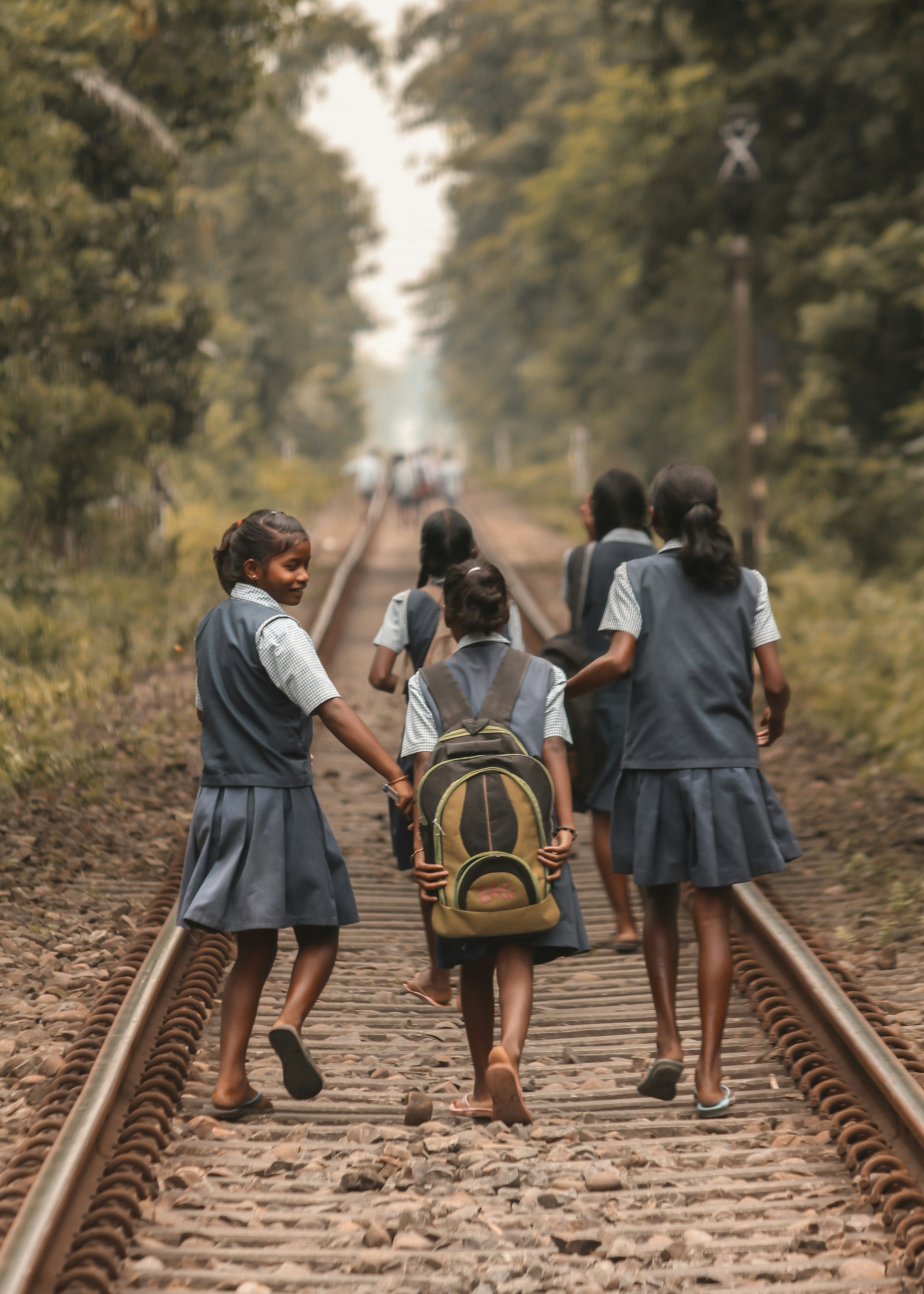
I do not return to this history because it is inspiring. I return because it feels unfinished. When I imagine Savitribai walking to school, I do not see symbols of courage. I see exhaustion: fear and a decision made again and again and again to step out anyway.
Many girls still make that choice. The pressure is quieter now. Education was never only about learning. It has always been about dignity. Somebody who gets to live a whole life.
That question is still with us.
Which step toward dignity feels possible for you today, and how can we walk with you? If any parts of this felt familiar, you do not have to sit with it alone. Idare offers confidential mental health and legal support for coping with family pressure, control, or emotional harm.
Image Credits: UnSplash