
Resource Wealth and the Politics of Modern War
Neocolonialism in the present day may not always be visible; that is, not always visible in the ways we have been taught to look for it or identify it. However, it is present everywhere. Neocolonialism now operates through global markets, resource dependency, and geopolitical interests, shaping how power is exercised across nations.
A consistent pattern across the Global South is this:
Regions richest in natural resources are often the most politically unstable, not in spite of their wealth, but because of it.
Let’s take a look at some of the most common ones, though this list is in no way exhaustive.
The Democratic Republic of Congo is rich in cobalt and coltan, and according to USGS estimates, it supplies 70% of the world's cobalt. So, EVs, laptops, and smartphones in the rest of the world wouldn't exist without the DRC.
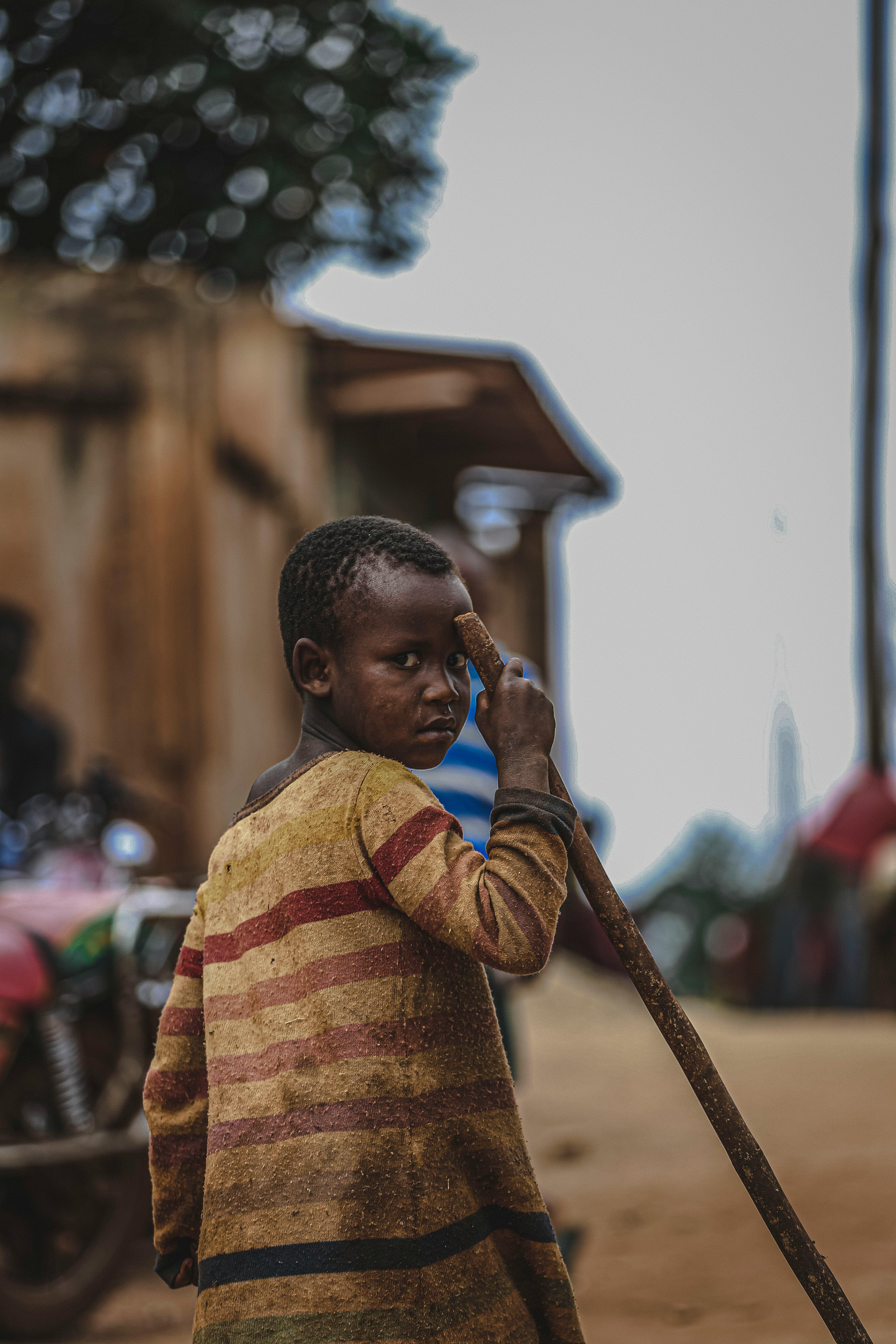
The same can be applied to billionaire corporations such as Tesla, Apple, and Samsung. On the other end are the people of the land, including children who mine these metals and minerals by hand. They are hardly paid living wages, while struggling with health issues, and dying from the collapse of these mines.
- Sudan exports 97% of its gold to the UAE. The UAE’s RSF continues to ensure the place remains unstable, torn by war and starvation, while the Emirati countries can brag about their gold, glamour and infrastructure. This same gold also finances war in the global markets.
- Iran and Venezuela, while rich in oil, countries like the United States have imposed decades of sanctions, financial restrictions and even interventions in their governments. The US and its allies have repeatedly attempted to control natural resources while triggering political instability and spreading propaganda about the leaders of these nations to manufacture consent for war.
- Palestinian land, water aquifers, and strategic control of the region were beneficial to the state of Israel and, by extension, its ally, the US. Control over the Palestinian land since 1948, when Jewish refugees came in from different parts of Europe, also gave them direct control over their economy.
- Cuba, the country the US has sanctioned longer than any other country. When the socialist government overthrew the US-backed regime, the US retaliated by imposing sanctions on the country. The idea was to isolate Cuba and impose economic penalties as the Cuban government hiked taxes on US imports.
- Rakhine State consists of gas pipelines and coastal trade routes. The state of Myanmar, with infrastructure tied to China has given rise to the ethnic violence of the Rohingya people to advance their economic interests.
- Haiti has historically been exploited for sugar and trapped in debt by the US and France. The extraction continues to date through financial and political interference.
- Ironically, the French government trapped them in debt after Haiti revolted for independence, and the French government intended the payment to compensate French plantation owners for “lost property” following independence. The amount far exceeded actual losses.
- Kashmir is the most militarised place in the world right now. India and Pakistan continue to fight to exercise control over the Indus basin, the Kashmiri land and military positioning. Sadly, even the most vocal activists fail to recognise Kashmir’s decades-long struggle for Azadi. There are so many more to write about, including Armenia, Turtle Island, Afghanistan, Uyghur, West Papua, Eelam Tamils, and Balochistan.
Colonial rule never disappeared; it adapted. Instead of Empires, we now have global markets and financial systems, multinational corporations, sanctions, trade controls, and military alliances. Although changing names and labels does not change the suffering of the indigenous people everywhere. Like Frantz Fanon says in The Wretched of the Earth, “The native must realise that colonialism never gives anything away for nothing”
Countries might call themselves independent, but that does not negate the neocolonial control that the West and sometimes, even the Global South (like India and Pakistan) exercise on them. Independence came with changed flags, but economic control remains to this day. These systems do not just exist out there. They also shape how we live, perceive, and make sense of ourselves and the world. We continue to work to integrate our inner worlds with outer realities.
Image credits: Pexels