
That’s the Point
Healing Isn’t Linear, and That’s the Point
Healing is the slow work of integration, revisiting pain without being consumed by it, making room for what once felt unbearable, and finding steadiness in the spiral.
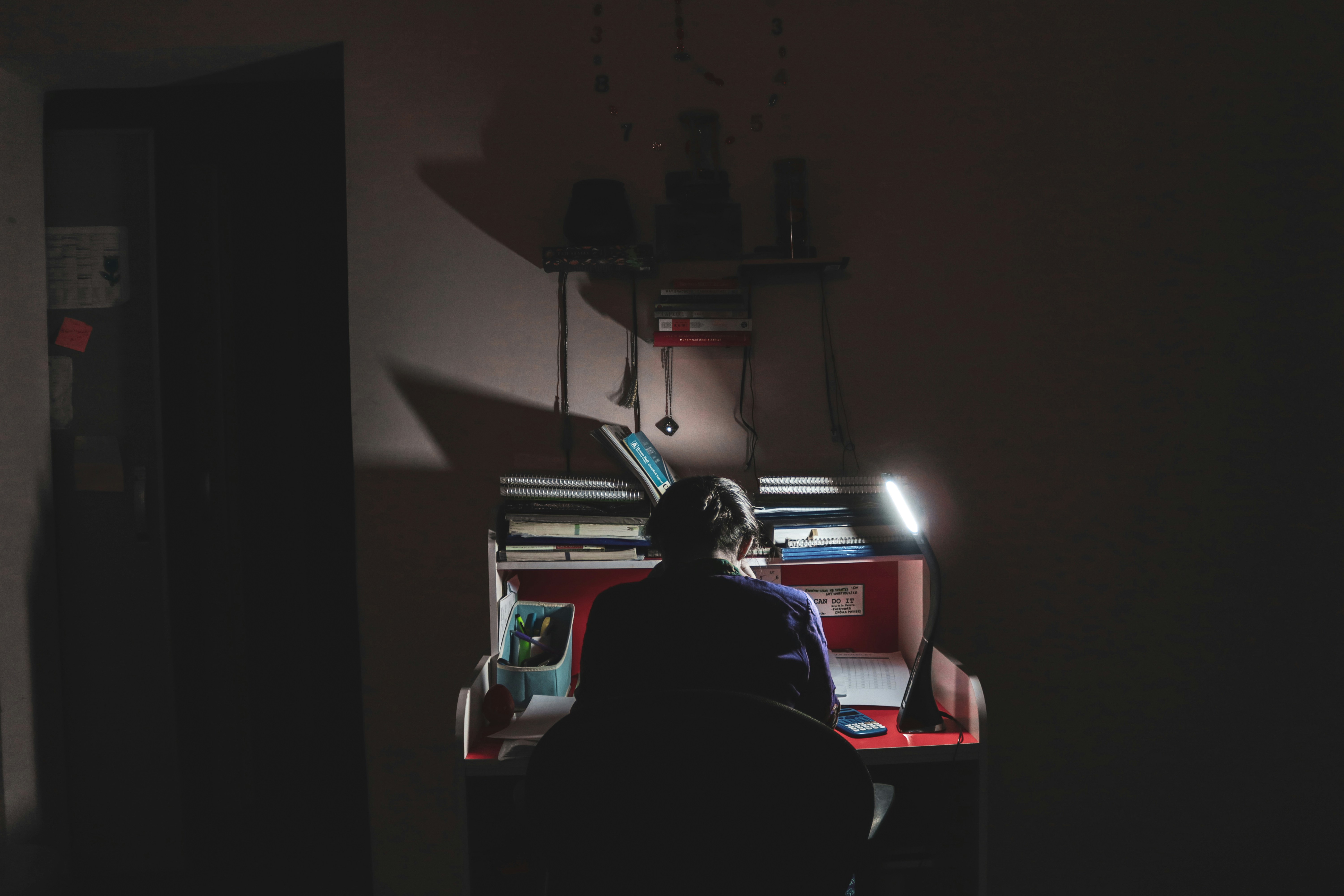
1:03 a.m.
The room hums with stillness.
The light from the laptop flickers...a dim blue pulse against the quiet.
Fleabag, again.
The confessional scene.
She’s trembling, voice trembling with it.... half-defiant, half-pleading.
‘I want someone to tell me what to do, 'she says, breaking open under the weight of her own trying.
I’ve seen this episode before, maybe a dozen times.
But tonight, I cry.
Not because the words are new, but because I finally hear them differently.
Healing doesn’t always arrive in therapy rooms or self-help pages.
Sometimes it slips through the cracks of something familiar....a line, a scene, a silence, when you realise, you’re no longer the same person watching it.
1:27 a.m.
For years, I thought progress meant distance.
If sadness returned, I panicked, I’m slipping back.
But life doesn’t climb in straight lines.
It loops.
It pauses.
It circles back to what still needs tending.
Psychiatrist Judith Herman, who mapped the journey of trauma recovery, wrote of three recurring stages: safety, remembrance and mourning, reconnection.
They don’t line up neatly.
They spiral...each turn steadier than the last.
Not because pain fades, but because our capacity to hold it grows.
What looks like regression is often another lap around the same circle... deeper, slower, but forward all the same.
2:04 a.m.
In Fleabag, grief doesn’t disappear; it shapeshifts.
It hides in jokes that land too sharply, in charm worn like armour, in silence disguised as strength.
I’ve known that version of her.
The one who smiles so people stop asking questions.
Who fills her calendar until exhaustion feels like proof of worth.
Who fears stillness because that’s when the ache grows loud.
Grief is patient.
It waits for the quiet.
When it returns, it’s not punishment, it’s an invitation to witness.
2:41 a.m.
Somatic therapist Peter Levine once wrote that the body holds unfinished stories.
Healing, he says, often looks chaotic because the body is releasing what the mind has long frozen.
Fleabag’s spirals aren’t destruction.
They’re excavating.
Each trembling, each breakdown, softer than the one before, is her nervous system relearning safety.
Progress isn’t the absence of collapse.
It’s the gentleness with which we rebuild after.
3:05 a.m.
Psychologist Kristin Neff calls self-compassion a balance of kindness, mindfulness, and common humanity, the ability to sit beside your pain, not fix it.
That’s what Fleabag’s final smile feels like.
Not a cure.
A return.
A moment of recognition: she can finally look at herself without flinching.
3:32 a.m.
Some nights, when that familiar heaviness settles in, I don’t fight it.
I pause.
I breathe.
I write small reminders
- I rest after one hard day, not three.
- I reach out before silence turns to shame.
- I forgive the relapse before it becomes a story about failure.
Healing doesn’t erase pain.
It rewrites our relationship with it.
It teaches us to return...softer, slower, truer.
4:01 a.m.
In many traditions, repeated lessons are called samskaras, impressions that keep surfacing until they’re understood.
Whether through a British priest’s confessional or an Indian grandmother’s story, the pattern is the same:
We revisit not to relive, but to reframe.
Because healing isn’t linear, just like the stories we return to when we need them most.
We rewatch them not because we’ve forgotten the ending, but because something in us has changed.
Each rewatch, each reflection, reveals another version of us, scarred, yes, but softer around the wound.
4:17 a.m.
The credits roll.
The room is quiet again.
I close the laptop, thinking I should really stop watching sad women to feel better and yet, here I am, feeling lighter somehow.
Maybe that’s what healing is too: realising you’ve cried, reflected, overthought, and survived it, all before dawn.
Healing isn’t linear.
That’s not the flaw.
That’s the point.
Authoritativeness & Trustworthiness Note
This reflection draws from both personal experience and peer-reviewed psychological frameworks, including:
- Judith Herman (1992) – Trauma and Recovery
- Peter Levine (1997) – Waking the Tiger
- Kristin Neff (2003) – Self-Compassion Scale Development
It offers reflective and supportive insight, not a substitute for therapy or professional care.
Image Credits: Unsplash