
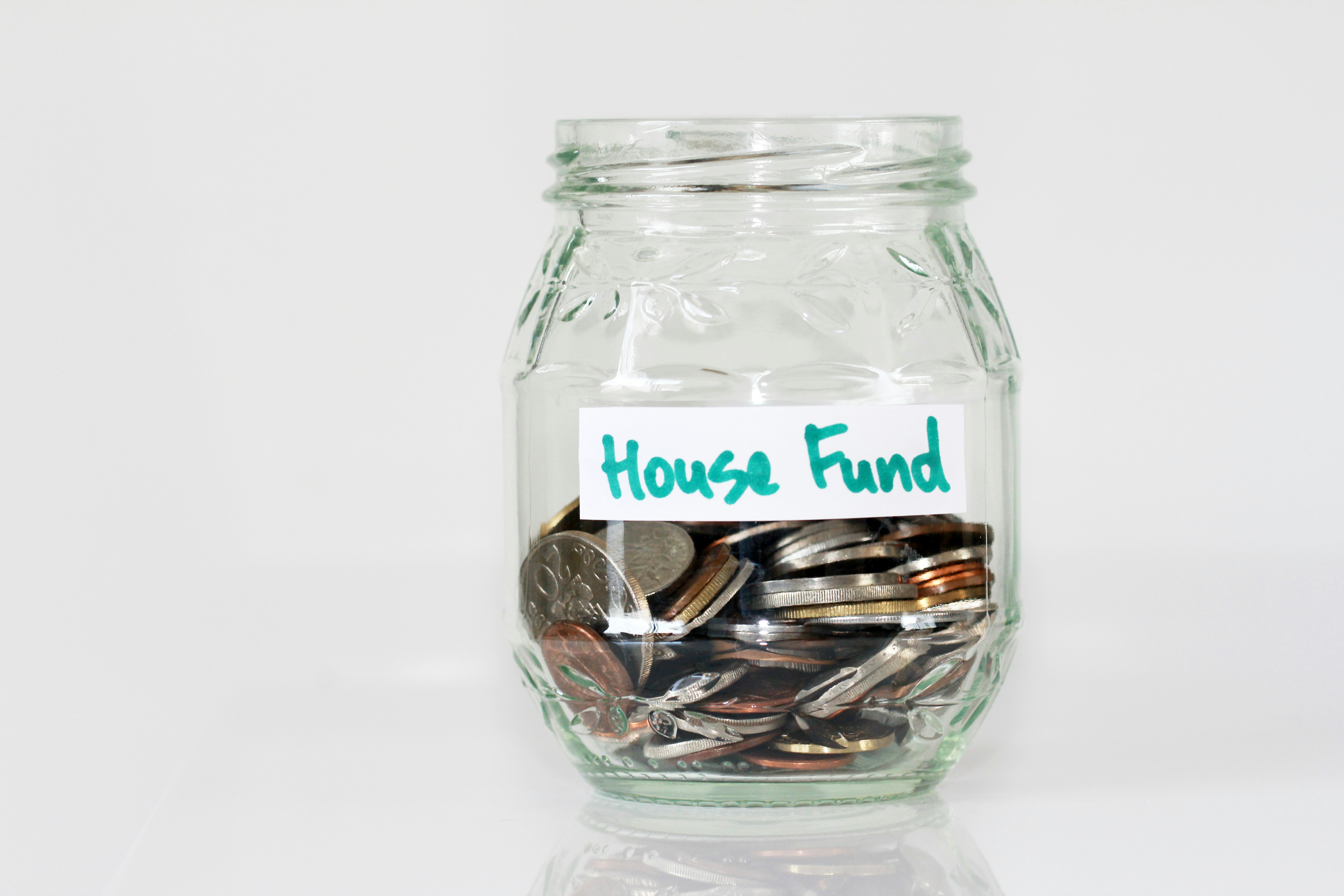
Why Modern Life Demands More Than the Old 3–6 Month Rule
Life is full of surprises! We must always be prepared for the unexpected.
One way we do that is by setting aside money for an emergency fund. But how much should we set aside? Equivalent to three months? Six? Or more? Where should we invest?
The right answers would depend on the individual’s mindset, lifestyle and goals. Here are some factors to consider while starting an emergency fund.
How big?
- Your job
The kind of job or profession you are in matters a lot. If you have niche skills and you are not living in the fear of being laid off, then you can probably look at a smaller emergency fund, equivalent to about four months’ salary. If there is a possibility of unexpected layoffs, you will need a bigger fund that can support you and your family longer. If you are an artist and have irregular stream of income, then you need to set aside higher emergency corpus to fund your expenses.
- Number of earning members
How many members of your family are earning? If there are multiple contributing members to your household expenses, then the emergency fund burden can be shared. If you are the only earner, the emergency fund ought to be more substantial.
- Number of dependents
How many members of your family and your extended family are dependent on you? The fund size should be in proportion to the number of people dependent on you—more dependents require a larger fund.
Now that you have ascertained how big the fund should be, let us explore how to start and where to park your emergency fund.
How to start the emergency fund?
Create a emergency fund account . It can be a RD or liquid fund account or arbitrage fund acccount or a simple bank savings account. Start contributing to this fund every month. Set up an automated process, like issuing standing instructions to your bank. Always, save first and spend later. That will ensure that your emergency funds and other investments are covered before the money is spent. When you receive a large payment (like a bonus) consider investing a major part in the emergency fund.
Where to invest the emergency fund?
You would want the fund to be available immediately in an emergency. Choose funds that provide moderate returns, carry a low risk, are easily accessible and have easy liquidity.
Setting up an emergency fund is an integral part of your financial planning. If you haven’t started already, please start one (or more for different situations) immediately. Consult a financial planner who can give you personalised advice based on your situation.
An emergency fund is your financial safety net—protecting you and your loved ones when life takes an unexpected turn. While the rule of thumb suggests saving for three to six months, the ideal amount truly depends on your personal circumstances, lifestyle, and financial responsibilities. The key is to plan realistically, save consistently, and ensure your funds are both accessible and secure. A well-thought-out emergency fund not only provides peace of mind but also the confidence to face uncertainties without financial stress. Start today, stay disciplined, and let your preparedness be your greatest strength in times of need.
"Unsure how big YOUR emergency fund really needs to be, and where to keep it safe yet easily accessible?
We’ve partnered with IMMPL to make it simple.
Open the iDare app → get instantly matched with a certified financial advisor who’ll build your perfect safety net personalised size, best liquid options, fully automated.
Download iDare now and sleep better tonight." 🛡️
Image Credits: UnSplash