
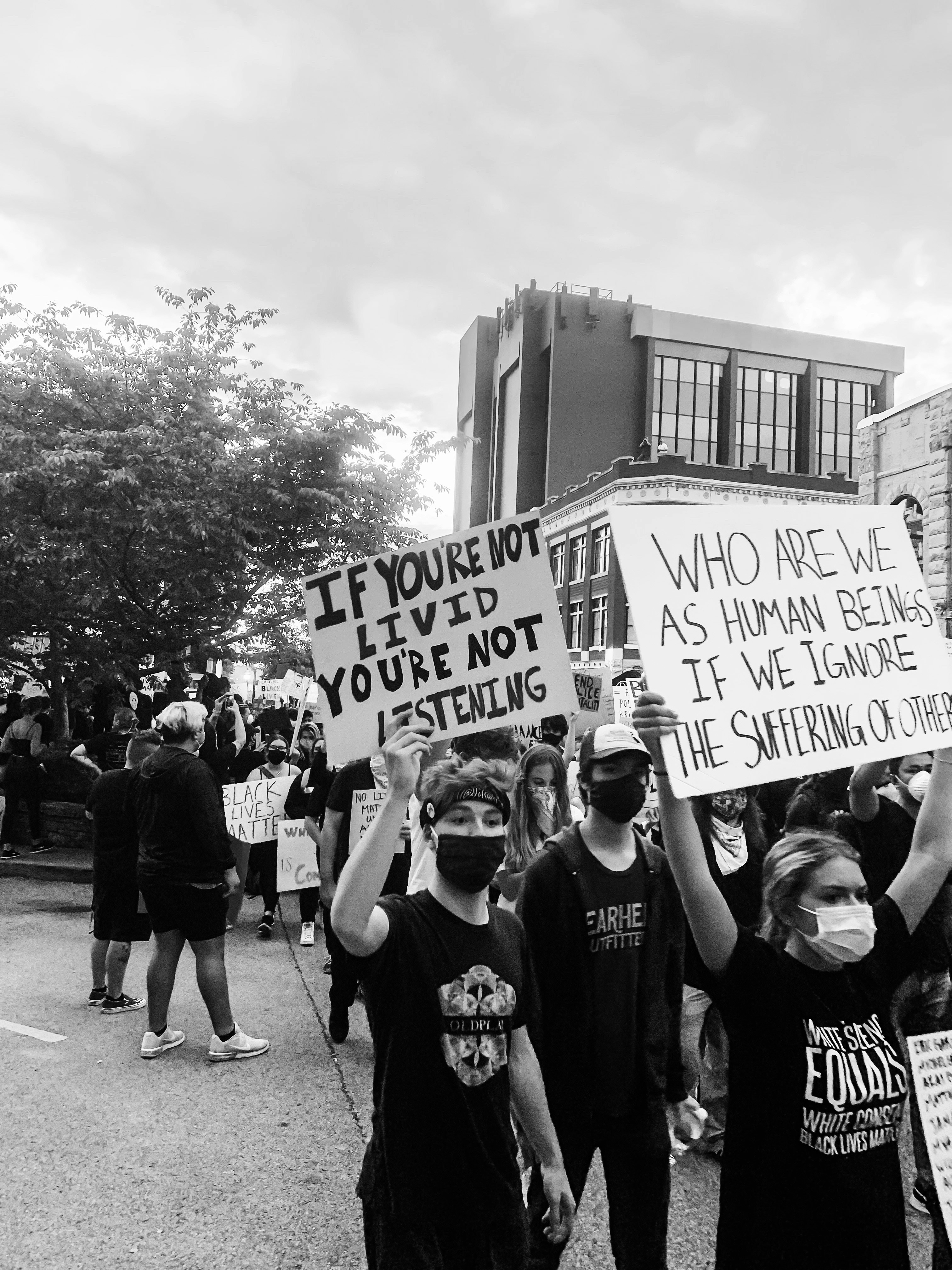
Freedom Was Never Meant To Be Silent
Celebrating with The iDare Collective:
"If you’re reading in silence, I want you to know your questions, doubts, and even hesitations are vital. Democracy thrives not on loud opinions alone, but on thoughtful participation even if it begins as a quiet whisper.
As a psychologist and a lifelong observer of how people find (and sometimes lose) their voice, I believe we each have a unique role in shaping our communities. My hope is that these words inspire you to see your own voice as an essential part of India’s ongoing conversation about freedom.
"I wrote this piece because every August, as the flags rise and old songs play, I’m reminded that freedom isn’t just a story from our past it’s a living, breathing responsibility we carry every day."
Every August, India seems to pause. The tricolour rises against a rain-washed sky. Patriotic songs drift through school corridors and neighbourhood loudspeakers. Children return home with paper flags folded carefully into their school bags, while adults revisit stories of courage that shaped a nation long before we were born.
I’ve always loved the familiarity of these rituals. They remind us that freedom wasn’t inevitable. It was imagined by people who believed that the generation they would never meet deserved to live with dignity, choice and hope. But this year, as I watched the flag unfurl in the wind, another question quietly found its way into my mind.
We spend so much time remembering how we became free. How often do we ask what freedom asks of those of us who inherited it? Maybe it asks us not only to reflect, but also to participate. Honouring freedom can be as simple as engaging in a local discussion, joining a community event, standing up for someone whose voice is overlooked, or volunteering for a cause that matters to us.
These small acts are ways we can ensure our freedom stays alive, moving our reflection into everyday action. That question stayed with me. And surprisingly, it wasn’t history that answered it. It was the conversation I kept hearing around me. The Voices Around Us Over the past few months, I’ve noticed something that feels impossible to ignore. I’ve been hearing more young people find the courage to voice their opinions.
They’re asking difficult questions, speaking about experiences that once remained private, challenging ideas they’ve inherited, and trying to understand the world they're stepping into. Sometimes I agree with them. Sometimes I don’t. But agreement isn’t what has stayed with me. What has stayed with me is that they’re choosing to participate rather than disappear into silence.
Almost in the same breath, though, I’ve also heard something else. ‘I don’t really have an opinion.’ ‘I’m Neutral.’ ‘I don’t know enough to say anything.’ Those sentences have stayed with me too. Not because they’re wrong, but because they’ve made me wonder something uncomfortable. Is silence always neutral? Or is silence, too, a way of participating? That question led me somewhere I know well, as a psychologist.
How Silence Is Learned One of the things psychology teaches us is that people rarely lose their voice overnight. Silence is often learned. It grows quietly. A child whose curiosity is dismissed asks fewer questions. A person who feels unheard speaks less. Someone who believes their thoughts never matter slowly stops sharing them altogether. But this cycle does not have to continue.
When we invite questions instead of shutting them down, make space for each person to contribute without fear of judgment, and show genuine interest in different viewpoints, we help break the silence. Communities can foster open dialogue by holding listening to circles, sharing personal stories, or simply checking in with someone who has gone quiet.
These small acts of encouragement remind others that their voices matter and help rebuild the confidence to speak. Over time, silence no longer feels like a decision. It begins to feel like identity. Perhaps societies aren’t very different. When enough people begin believing their voices don’t matter, conversations shrink. Curiosity fades. Participation gives way to disengagement.
Maybe one of the greatest challenges for any democracy isn’t that people disagree. It’s that people stop believing their presence in the conversation matters at all. That thought made me reflect on another kind of silence. The Choice To Look Away Life is busy. News is overwhelming.
Many of us are tired. I understand the temptation to step back. Yet I’ve found myself wondering about the moments when we choose not to engage simply because something doesn’t directly affect our lives. Not every issue affects each of us in the same way. But history reminds us that much of the freedom we enjoy today exists because someone chose to care about a reality larger than their own.
Perhaps democracy isn’t sustained only by extraordinary leaders or landmark moments. Perhaps it is sustained by ordinary people who remain willing to care, even when a conversation feels difficult, unfamiliar or uncomfortable. I’ve realised that not speaking is also a choice. Sometimes silence is not only necessary, but valuable-giving space to learn, listen and understand before responding.
Thoughtful silence can help us reflect, consider different perspectives, and respond with care. But if we remain silent for too long, or use it to avoid participating altogether, we risk leaving the work of shaping society to someone else. But if silence becomes our permanent home, we risk leaving the work of shaping society to someone else. That thought kept bringing me back to the Constitution.
An Unfinished Conversation When I opened the Constitution again, I wasn’t looking for legal answers. I was looking for perspective. I found myself thinking about Dr B.R Ambedkar and the remarkable faith it must have taken to imagine a democracy as diverse, complicated and hopeful as ours. The Constitution gives us rights. But it also quietly places trust in us. Trust that we will think.
Trust that we will listen. Trust that we will question. Trust that we will continue talking to one another even when we disagree. Perhaps democracy was never meant to be something we simply inherit. Perhaps it is something every generation must actively practise. Maybe that is real responsibility hidden within freedom.
The Freedom We Carry Forward In a few days, children across the country will once again stand beneath a fluttering tricolour. They’ll sing the national anthem, wave little flags and carry home another Independence Day memory. I hope they carry home something else too. Not the belief that every voice must sound the same. But the confidence that their voice belongs. That thoughtful questions are not a threat to a nation-they are one of the ways a nation continues to grow.
That listening is as important as speaking. And that caring about one another’s lives is what transforms a collection of individuals into a community. Perhaps that is the freedom we inherited. Not merely the freedom to live in an independent India, but the freedom to think with curiosity, speak with responsibility, listen with humility and care with compassion.
At iDare, we often say that every conversation matters because every person matters. Creating spaces where people feel heard, understood, and respected is not only important for mental well-being; it is also part of nurturing a society where people believe their voices have value.
As we celebrate another Independence Day, I hope we continue building communities where people don’t feel afraid to ask questions, where disagreements don’t erase dignity, and where silence is never the only option someone feels they have.
Image Credits: UnSplash