
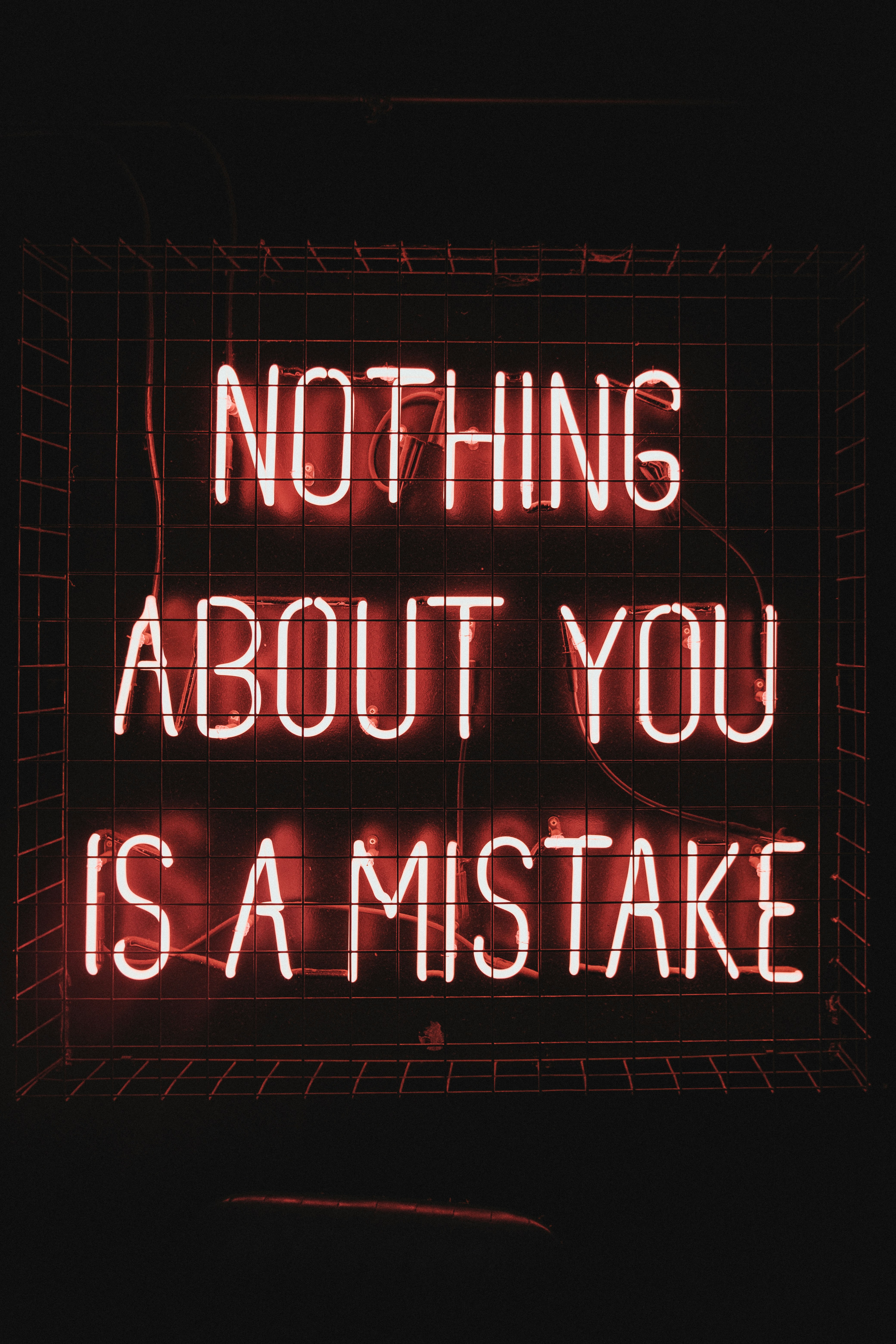
Is Actually The High-Value Move
You are staring at your phone screen again. You see them posting stories while ignoring you. And your mind begins to spin.
We are more connected than ever before. Yet, we feel more alone in the silence. Your brain is searching for safety in a reply.
You (Sent 7:00 PM Tuesday): The comedy club was epic last night! That guy's bit about the Bangalore traffic was too accurate 😂. We should definitely check out the open mic night next week! Let me know?
(7:01 PM: Delivered)
(... 9:30 AM Wednesday: Still Delivered. No blue ticks.)
Your Mind: Okay, okay, take a breath. They're in a meeting. Wait till lunch.
(... 1:00 PM Wednesday: The silence is deafening. You see them post a story.)
“I should send a second one. Just to confirm. Just a simple "Hey, did you see my text?"
That second message - the dreaded ‘double text’ - is where we freeze up. Why does sending a simple follow-up feel like admitting defeat? Why does it feel so desperate, like screaming, "I need your validation!"
A deep, inherited fear of being seen as too much is often carried through generations.
These dusty social rules have trapped us: where chasing is perceived as low-value. If you wait, you are perceived as high-value. This fear is a primary source of digital stress for our generation. We are projecting our entire sense of worth onto someone else's unpredictable schedule.
Situation 1: The Dating Double Text
A message was sent to a romantic interest. Now, only a deafening radio silence is felt. With every passing minute, a deep panic is triggered. If a second text is sent, you will show too interest and the vulnerability of waiting is suddenly exposed.
The Core Anxiety
This fear is fueled by the outdated Scarcity Rule: the myth that to be desirable, you must be unreachable. We consciously delay our replies - checking texts instantly, then waiting an arbitrary few hours - all to maintain a facade of being busy or aloof. The double text shatters this delicate performance.
The Human Reframe
However, the person you truly want to be with is someone who values clarity and authenticity over calculated game-playing.
Your worth isn't tied to how long you can pretend to ignore someone; it's tied to how genuinely you show up. If you had a great time and genuinely want to see them again, your follow-up is a sign of confidence and intentionality.
Like:
"Hey, I was just thinking about that cafe we talked about. I’m planning to check it out this weekend. Let me know by tomorrow morning if you’d like to join; otherwise, I’m grabbing a table solo! No stress either way."
If they still don't reply after this clear, time-sensitive message, you haven't lost because you ‘chased’; you've won because you gained clarity and didn't waste another moment of your time on uncertainty.
Situation 2: The Professional Double Text
This is the least emotional, but often the most stressful. You sent a critical email - a client pitch, a query for a document, or a crucial request to your manager. You need a sign-off, and the project is stalled.
The Core Anxiety
Here, the anxiety isn't about affection; it's about competence.
"Can't you manage your deadlines?”
“Why are you pestering me?"
You feel like you're nagging, and that's odd and unprofessional.
The Human Reframe
In the professional world, a follow-up email is project management. It is not desperation; it is responsibility. Your goal is to ensure deliverables move forward. A polite, measured reminder demonstrates that you are organised and accountable.
Frame the follow-up not as a chase, but as a helpful reminder tied to a clear deadline or deliverable.
Like:
"Just sending a quick reminder on the pitch deck I shared on Monday. I need to consolidate feedback by the end of the day tomorrow to meet the vendor deadline. Thanks for taking a look!"
You are showing respect for the timeline, which is far more valuable than showing deference to their schedule. Clarity is kindness in a busy workplace, and your follow-up is an act of efficiency.
Situation 3: The Social Double Text
Often happens in the dreaded group chat. You suggest a fun weekend plan, send a detailed message, and the thread dies. Two people react with a thumbs-up, and that’s it. The tension is palpable: you feel like the only one trying to make the plan happen.
The Core Anxiety
You worry that if you push again, you’ll confirm that the whole group is relying on you, the ‘social director.’ You feel the burden of being the planner, the initiator, the one who cares too much. Either that, or the rest don’t care at all.
The Human Reframe
Friendship isn't a transactional scorecard of who texts first. Sometimes, people are just busy, the group chat gets buried, or they saw the message and genuinely forgot to reply while cooking dinner. Your follow-up is about prioritising connection over social status.
Give the group a clear, final option to hold them accountable.
Like:
"Hey everyone, this plan is running out of time! We need a quick yes/no on the trek this weekend. I’m booking the cab in the next hour, so if you're out, it's completely fine, catch you next time!"
You are being a necessary leader. You are respecting your own time and the effort you put into planning. People who value you will appreciate the clarity and the effort to bring everyone together.
Drop That Fear
The whole obsession with the double text is a relic of emotional scarcity. You are enough, and your communication is valid. Stop allowing the fear of appearing ‘too enthusiastic’ to keep you small and anxious.
The only text you should regret is the one you didn't send because you were worried about how it looked. Confidently be you, trust that the right people - friends, dates, or colleagues - will always appreciate honesty and clarity. Relax!
Which conversation are you letting fester out of fear of a double text?
Image Credits: UnSplash