
Understanding the Comfort in Chronic Depression
The Hold
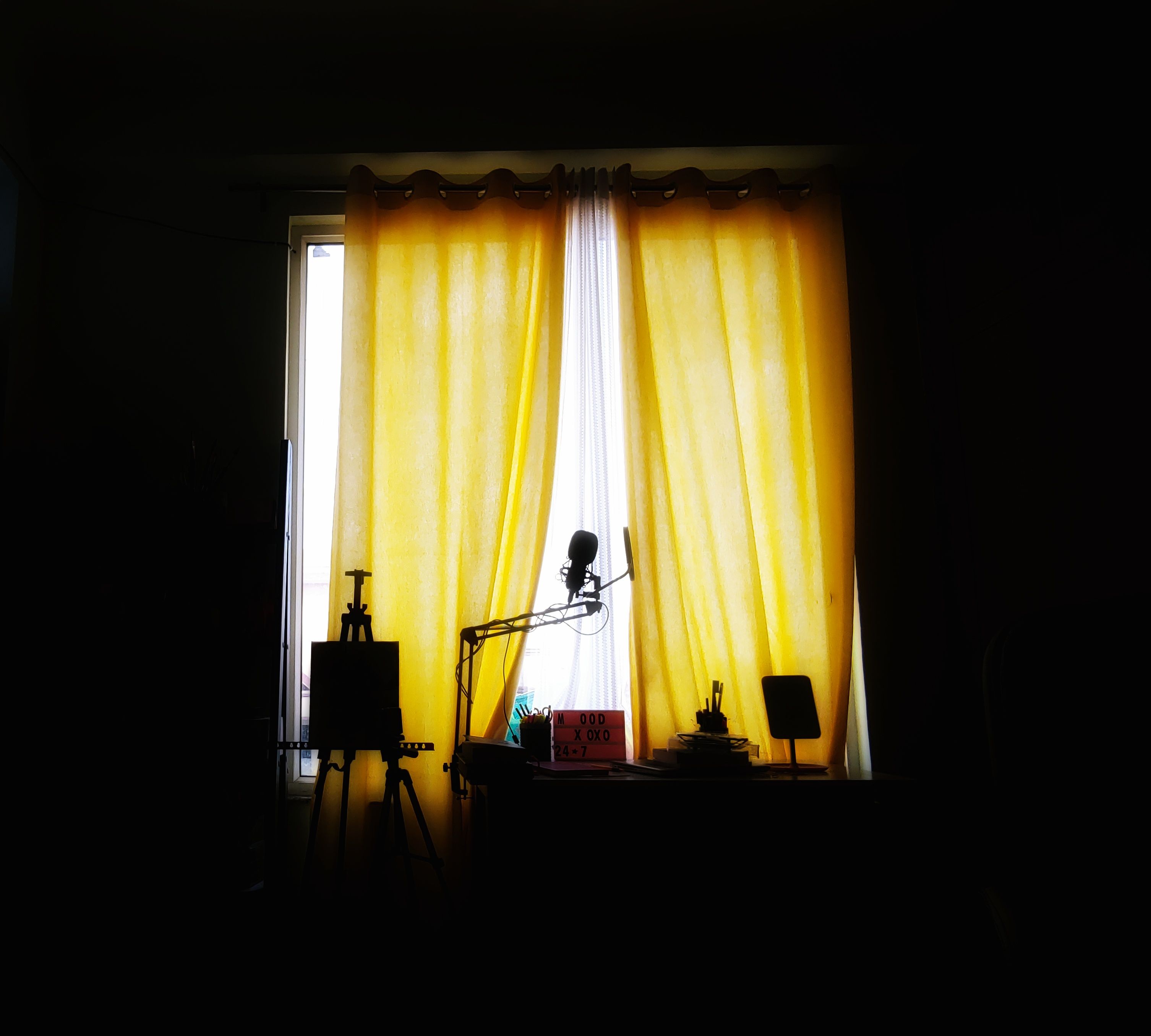
Imagine living in a dimly lit room for years. Your eyes adjust to the darkness, you feel your way through the furniture, and it becomes muscle memory that you stop reaching out to steady yourself. Now imagine the windows are suddenly opened. It’s disorienting, not just bright. You might not see properly at first, you would want to close the curtains again, and it won’t be because you love the darkness. It would be because someone just snatched away the only place you learned how to exist without fear.
Chronic depression can feel like this. A known emotional landscape, fewer emotional surprises. Predictability means control. The human nervous system will often prefer predictability over pleasure. So you stay where you know the ground won’t be shifting beneath you.
The Control
The difficulty is not that you don't want to be happy, but that you might not have had enough practice feeling safe in happiness. Joy asks for more things than sadness would. It asks you to be present, open up and most importantly hope. The most dangerous thing to hold on to is hope when you have been hurt enough. The posibility of loss comes into the picture when we hold onto hope.
Sadness on the other hand only demands expansion. It won’t ask you to trust the future, it works only on survival. Survive this very moment and move to another and another. So you hold on to the survival and you hold on to the sadness.
The Move
We have a simple understanding of the human emotional spectrum. Happy on one side and sad on the other. Emotions in reality are not binary. You don’t have to evict sadness to make room for joy. Imagine you own a hotel, but guests can’t check in at the same time. You have to wait for one guest to leave, and only then can the other enter. In fact, forcing happiness can make it feel more exhausting, fighting a guest to come in and stay while juggling to force another one to leave.
Practices like mindfulness, journaling, slowing down, or noticing moments of calm can feel like a betrayal of the sadness, pain, or heaviness someone has carried for a long time. Looking closely at these will make you realise that it could actually be growth. We will learn that two emotions can exist together. The moments of relief, peace or connection can coexist with grief, anxiety and loneliness.
This expansion of emotional capacity with time helps people feel less trapped by one emotional state and more able to move through their inner world with flexibility and compassion.
The Tolerance
Since joy does not feel natural at first, we could just start with tolerating it. It feels like you’re holding something fragile, a newborn baby. The baby might start crying at any moment, it may poop on you, or you might just be concerned that the way you’re holding onto the baby is hurting it. So instead of chasing big, overwhelming happiness, start smaller. You could allow yourself to notice a moment of quiet, letting yourself laugh without holding back or even allowing something good to stay a few extra seconds than usual. This idea of gradually making space for joyful moments also aligns with evidence-based therapeutic approaches. For example, practices like behavioral activation encourage taking small steps to engage in activities that can foster positive emotions. Similarly, positive psychology emphasizes noticing and savoring small moments of joy as a way to gradually build emotional well-being.
Your nervous system is gently taught that this is safe. You are not trying to be different, you are learning to make space for tolerating your joy.
Mindfulness-based approaches also suggest that healing is not about forcing yourself to feel better, but learning to stay present with your emotions without immediately shutting them down or running from them. Research by Kristin Neff on self-compassion shows that many people struggle to tolerate positive emotions because they feel undeserving of them, or fear they will disappear. Sometimes allowing yourself a small moment of softness, rest, laughter, or connection can feel unfamiliar, even uncomfortable, after surviving for so long in emotional heaviness.
The Invitation
It feels uncomfortable to step into the light if you have been living in the dimly lit room till now. Finding familiarity in sadness is not wrong, it likely protected you when nothing else could. You deserve more than just survival. Leaping into happiness also isn’t a realistic expectations n these times. You could begin by standing near the window, letting a little light in, tolerating and slowly adjusting to the brightness. The goal is not to abandon what you already know, it’s to learn that there are other places you can exist other than the sadness. Places where you don’t just survive but start living it.
You could begin by standing near the window, letting a little light in, tolerating and slowly adjusting to the brightness. Maybe that looks like noticing one moment in your day that felt slightly softer without immediately dismissing it. Research on “savoring” by psychologists like Fred Bryant suggests that simply staying present with a positive moment for a few extra seconds can slowly strengthen our ability to experience emotional safety and connection. Maybe it’s allowing yourself to sit with a feeling of relief for ten extra seconds before convincing yourself it won’t last. Maybe it’s journaling about moments that felt calmer, warmer, or lighter instead of forcing yourself to feel grateful or positive. Maybe it’s asking yourself, “Can this small moment of peace exist alongside the heaviness?” instead of believing one emotion has to erase the other.
If this felt familiar, reach out to iDare to help you take a moment to sit with it instead of rushing past it. Notice what feels safe, what feels difficult, and where you might allow a little more light in.
Image credits: Pexels