Screens, Shame, and Silence
Ironically, as a therapist, I never thought my work would revolve around screens much. Then COVID happened, and now, with online sessions, maintaining data and even notes on my laptop has changed so much.
One of the things I have personally had to wrestle with is the amount of information exposure, which is both a good and a bad thing. I'm grateful to have access to independent journalism, to connect with people around me, and to have knowledge at my fingertips. To be honest, I cannot go out for a meal without first checking the menu and parking availability.
But the other side is... this has been so overwhelming that after I put the title down to write this, my body froze. It felt like it was too much to write about something that contains so much hatred.
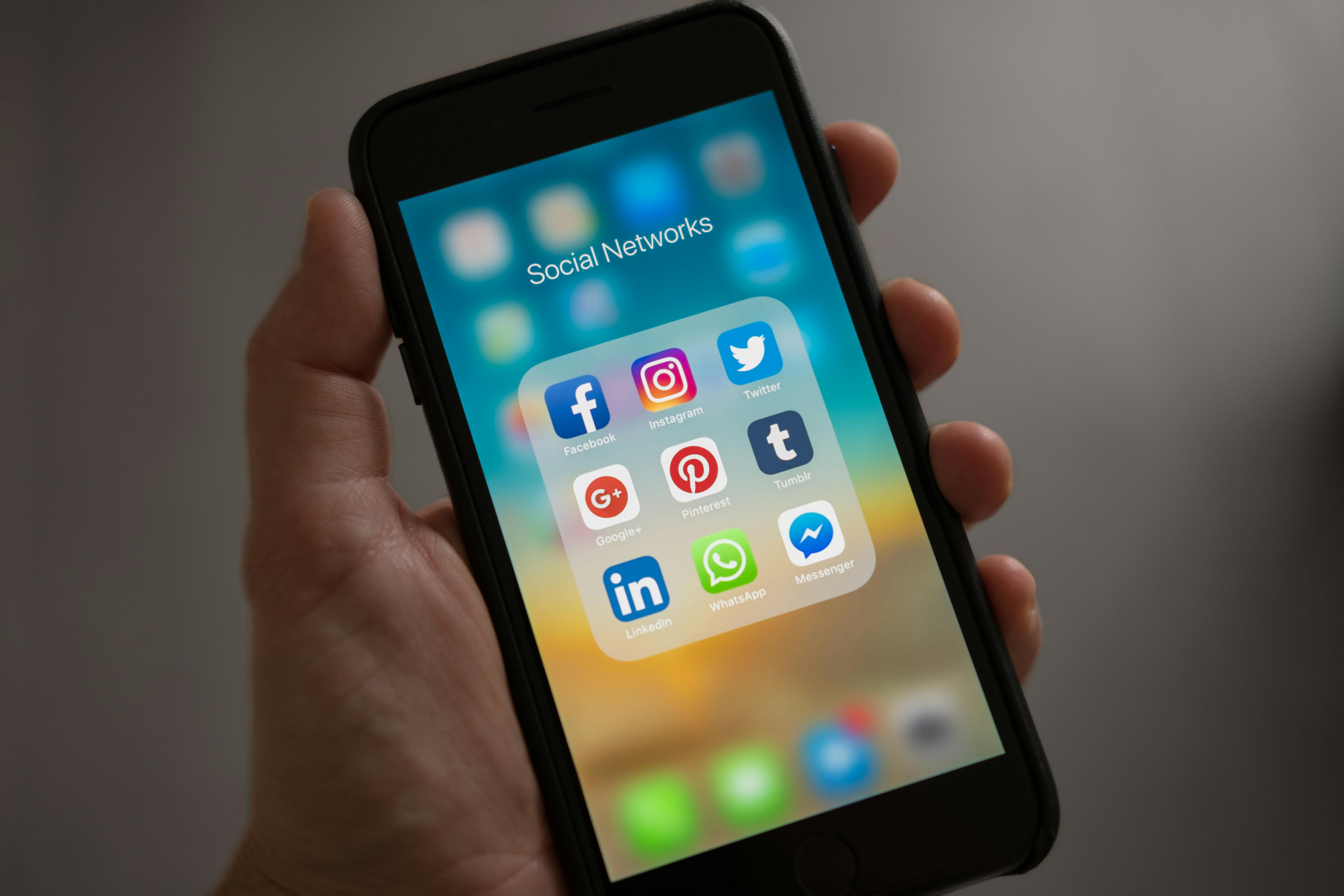
One of the main reasons this topic stood out to me was that it highlighted the psychological effects. Our screens and access to social media silently affect us, without probably ever being under the light.
But then I also started to think about the people to whom this hatred is directed. Thousands of them who are brave enough to put their voices out there, knowing they will receive backlash, boycotts, abusive language and most of the time, just complete and utter denial of their lived realities.
And while a lot of us see this, we recognise it as an issue. We also scroll past, and that is the scariest part of this to me. We seem to have become so disconnected, this whole thing so normalised, that we seldom pause, to feel, to check in, to reflect, to even think of change. We move on with our lives.
The Appeal of Righteousness
When I started trying to make sense of what was happening and why, I realised that much of it stems from a very one-dimensional perspective. Add to that a platform that gives us a voice and a sense of entitlement in our own realities. We fail even to consider anything or anyone else.
Now, this has multiple aspects. People's conditioning, their belief systems and experiences, their understanding of the world around them, and the influences of their surroundings, online, and so on.
The worst part is not that we all have opinions; we are entitled to them. We somehow feel entitled to speak over someone else because their views seem very different from ours.
And from a psychological perspective, many emotions are expressed in these comment sections, mostly anger and rage. We seem to have made peace with expressing our feelings loudly and without warranting towards strangers, without ever pausing.
The same goes for judgment. My God, are we a judgmental lot!
Humans are naturally very diverse; everyone has their own experiences and perceptions throughout history, but to engage in thoughtless arguments that lack empathy and understanding just to put our points across. What is the purpose of this? That we know better? Does the other person not deserve a platform? Should their reality not exist? Shouldn't a difference of opinion exist?
We somehow seem to have become equipped to mete out justice through our comments, and the dopamine hit we feel for a split second is enough to keep us chasing it.
The conversation starts here, but there is so much more to cover. In the next part, we look at what happens when algorithms, crowds and consequences enter the picture. There is more to unpack in how this culture sustains itself and who it ultimately harms.
Image Credits: Pexels