And The algorithm Begin
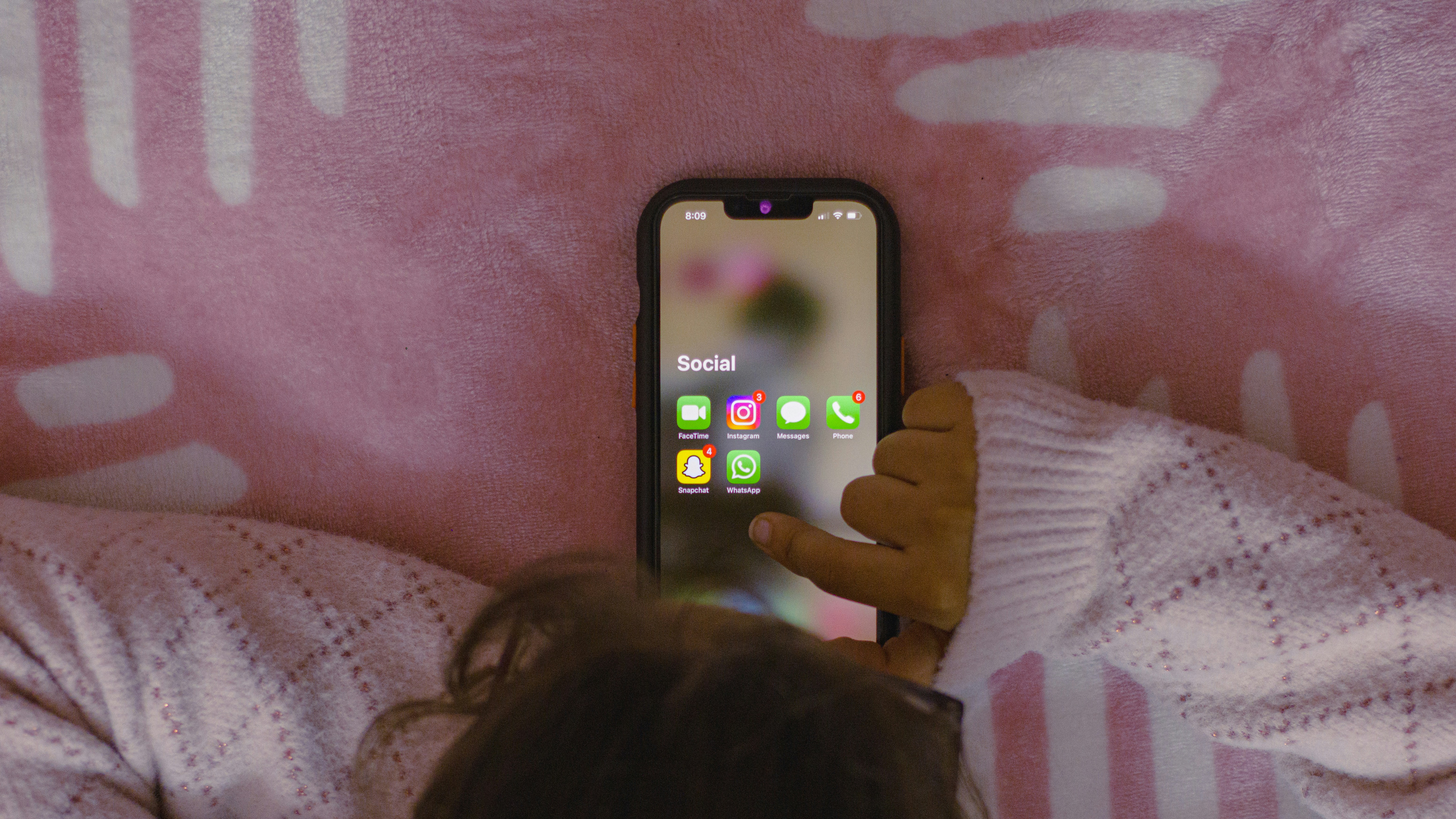
At 2 a.m., with the soft glow of a smartphone illuminating our faces, we scroll endlessly through our feed, barely aware of the time slipping away. Is our identity really ours, or does the algorithm shape it? This article examines how social media shapes how we see ourselves, act and feel. It also offers ways to reconnect with your true self beyond the online world.
Recently, I almost liked a post that said, ‘Your algorithm is a reflection of who you are.’ I stopped for a moment because something about it felt off. I don’t dislike the algorithm because it reflects me. I dislike it because it shapes me. And the uncomfortable part is how quietly that shaping happens.
Have you ever agreed with something online about yourself, only to realise later that you never really questioned it? Let’s talk about it.
The Speed At Which We Start Believing Things
We don’t read content anymore. We absorb it. A few minutes scrolling. Ten reels. Five Opinions. Three labels about you. You don’t analyse or argue with them. Yet they stay. Later, you might find yourself thinking, maybe this is just who I am.
This happened to me when my feed became convinced that I had an avoidant attachment style. Video after video explained my ‘patterns’. And for a while, I believed it. But when I thought about my relationships, the picture looked different.
The Internet’s Need To Label Everything
Online spaces thrive on categories. Avoidant. Anxious. Narcissist. Trauma response. Red flag. Complex human experiences get compressed into quick explanations. It appears helpful. It feels validating. But sometimes, it’s also limiting.
Not every hesitation is avoidance. Not every boundary is emotional distance. Not every mistake is a personality trait. Sometimes you’re just cautious. Or tired. Or growing.
Have you ever come across a label online and wondered if it truly describes you?
Once we start seeing ourselves through these labels, something else happens quietly: our behaviour starts to match what we see.
When Exposure Becomes Normalisation
The algorithm shows you whatever keeps your attention. If you’ve struggled with vulnerability, you’ll see content that encourages emotional distance. If you’re hurt, you’ll find videos that make detachment seem normal. If you’ve ghosted on someone, you’ll see jokes that make it feel harmless.
Over time, behaviours that once felt uncomfortable start to seem normal, even justified.
Just thirty seconds of content can turn withdrawal into empowerment, avoidance into self-protection, and emotional walls into ‘Knowing your worth’. Have you ever noticed yourself reacting differently to situations after repeatedly seeing certain content?
Because the influence doesn’t stop at behaviour, over time, it begins shaping something even deeper in how we present ourselves.
When Identity Becomes Aesthetic
Spend enough time online, and identity starts to look like a collection of trends. You’re not experimenting with clothes. You’re Y2K, cottagecore, or coquette.
You’re not someone who enjoys calm evenings and poetry. You’re a ‘thought daughter’. You’re not exploring who you are. You’re agreeing with an aesthetic.
It starts subtly, then becomes familiar, and eventually feels like it’s part of you. But here’s something to consider: If the algorithm disappeared tomorrow, would your style, interests, or opinions still feel the same?
All these patterns reveal something important: we don’t just consume content…we are shaped by what we repeatedly see online. The main question is, where do your true beliefs end and algorithm-driven influences begin?
You Become What You Pay Attention To
Algorithms follow emotion. Comparison, Outrage. Insecurity. Curiosity. Fear of missing out.
If you spend time on platforms that focus on outrage, everything starts to feel irritating. On image-heavy platforms, your life can feel smaller. Watching curated lifestyles can make your own reality seem less than enough. Have you ever noticed yourself shifting after spending time on a particular app?
Repeated exposure doesn’t just inform you, it slowly resets what feels normal. When attention is always being directed, something else slowly fades: your own sense of discovery.
The Loss Of Organic Discovery
I recently found an old music collection from my teenage years. Every song had a memory attached to it: a friend’s recommendation, a car playlist, a random moment of curiosity. Now, most of what we watch, read, listen to, or buy is suggested to us.
The algorithm curates our preferences and entertainment. And slowly, we stop exploring, scrolling replaces choosing. When discovery fades, individuality blurs.
Copies of Copies
The quiet concern underneath it all is that we’re not necessarily becoming more individual. We’re becoming versions of the same person, shaped by the same trends, language, and insecurities.
Aesthetic identities. Viral personality types. Mutual narratives about what it means to be successful, attractive or emotionally aware.
We become copies of copies. The real risk isn’t that the algorithm reflects you, but that it slowly decides who you might become.
Reclaiming Your Attention
You don’t have to disconnect completely, but you might need to pause more often.
Pause when a post tells you who you are. Pause when the content makes you feel smaller, angered, or inadequate. Take a moment right now to practice this pause: Close your eyes, inhale deeply for five seconds, hold for a count of two, then exhale slowly. Bring this breath with you whenever content begins to shape you. Pause and ask: Would I believe this if I hadn’t seen it ten times?
And most importantly, invest in parts of your life that don’t come from a screen. Conversations. Experiences. Offline interests. Real-world exploration.
Because identity grows from lived experience, not repeated content
You Are More Than Your Feed
If you’ve ever felt confused about yourself after spending time online, you’re not alone. Constant exposure to labels, comparisons, and selected realities may blur your sense of self. What begins as entertainment can slowly influence how you see your personality, your relationships, and your worth.
At iDare, identity grows through self-understanding, reflection, and real-life experiences and not through algorithm-driven narratives or viral psychology.
If you feel overwhelmed by comparisons, unsure about online labels, or disconnected from your sense of self, talking to a mental health professional can help you slow down and reconnect with what feels real.
Take a moment to pause. Notice where you focus your attention, and make those choices on purpose.
Image Credits: UnSplash